The Mohamed bin Zayed University of Artificial Intelligence and Inception42 have launched Jais 3, a family of open Arabic-native artificial intelligence models aimed at improving how AI handles the region’s languages and use cases. The release includes six models ranging from 900 million to 375 billion parameters, giving developers options across different deployment and compute requirements.
The announcement positions Jais 3 as more than a larger language model. The family is designed to support Arabic writing, speech and agentic workflows, with training that includes Modern Standard Arabic and regional dialects. In a market where language coverage, cultural context and data residency are material deployment considerations, that emphasis is strategically important. It also reflects the practical reality that Arabic users move between formal language, dialect and English in everyday and professional settings.
Inception42 says the models were evaluated across 24 Arabic benchmarks. Benchmark results can help compare capability, but they do not by themselves establish that a model is reliable for every government, healthcare or enterprise workflow. Organisations still need to test factuality, safety, privacy, latency, cost and performance on their own data before production use.
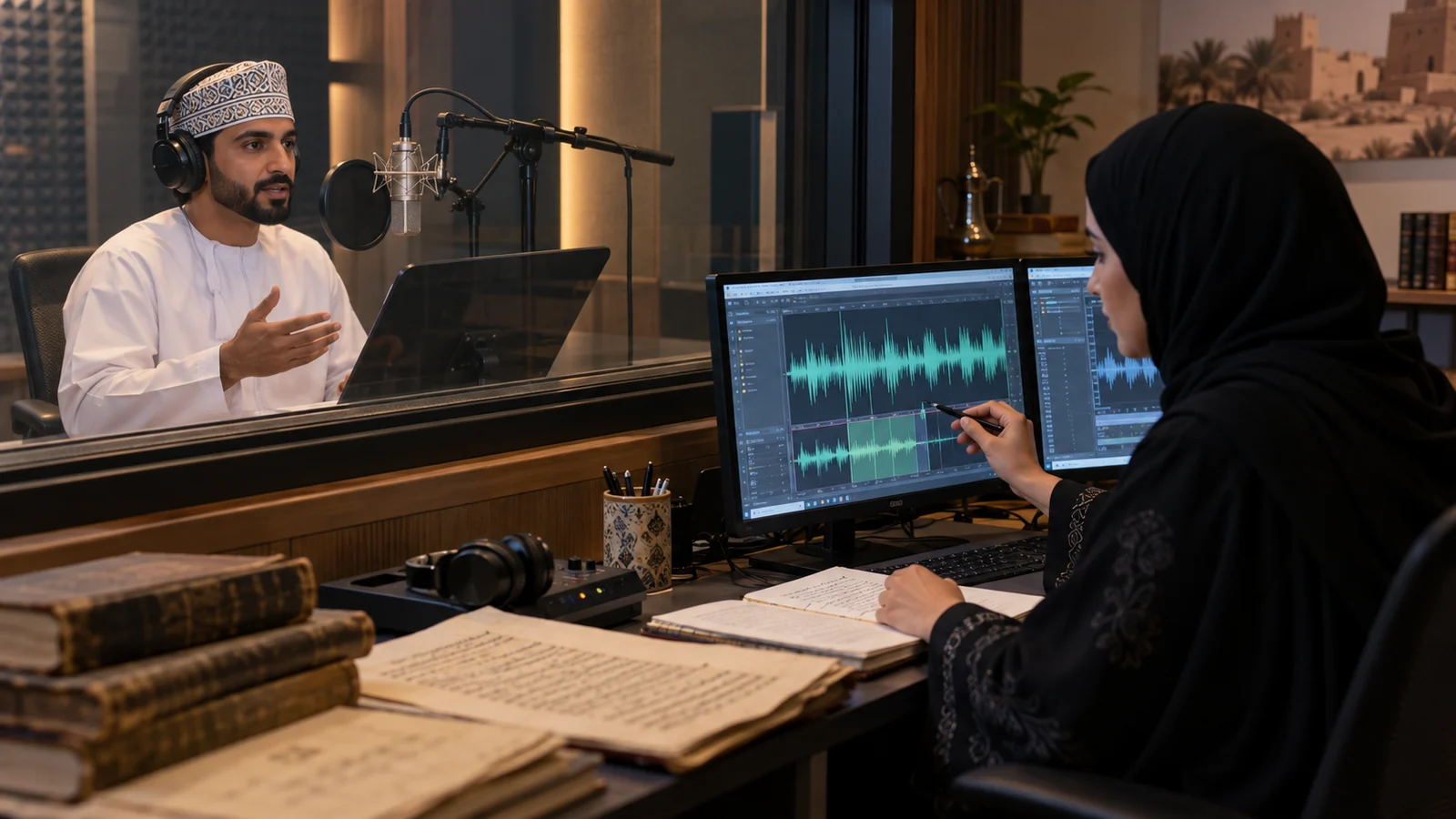
The release also includes Jais Speech, which is described as supporting Arabic speech understanding and generation across dialects. Speech capability could widen access to AI services, particularly where voice is a more natural interface than written input. It also introduces additional evaluation questions, including transcription quality, accent coverage, speaker privacy and the handling of sensitive conversations.
The models are available through Hugging Face, and the collaboration includes Cerebras. That combination gives researchers and developers a route to inspect, test and adapt the models while drawing attention to the compute infrastructure required for large-scale inference. Jais 3 is therefore significant for the UAE ecosystem both as a model release and as evidence of a local effort to build Arabic-focused AI capability. Its long-term impact will depend on independent testing, adoption by developers and the quality of the applications built around it.