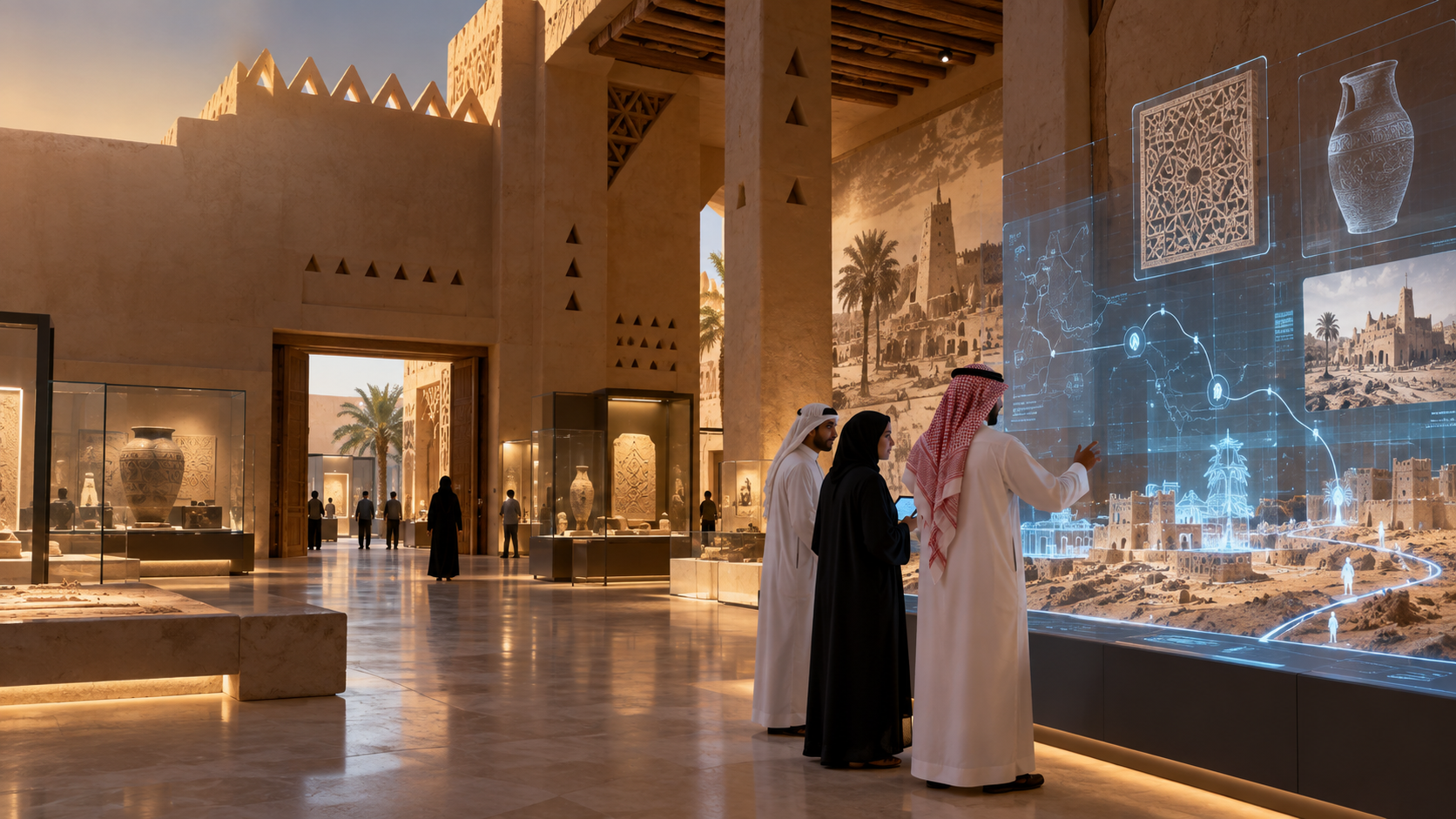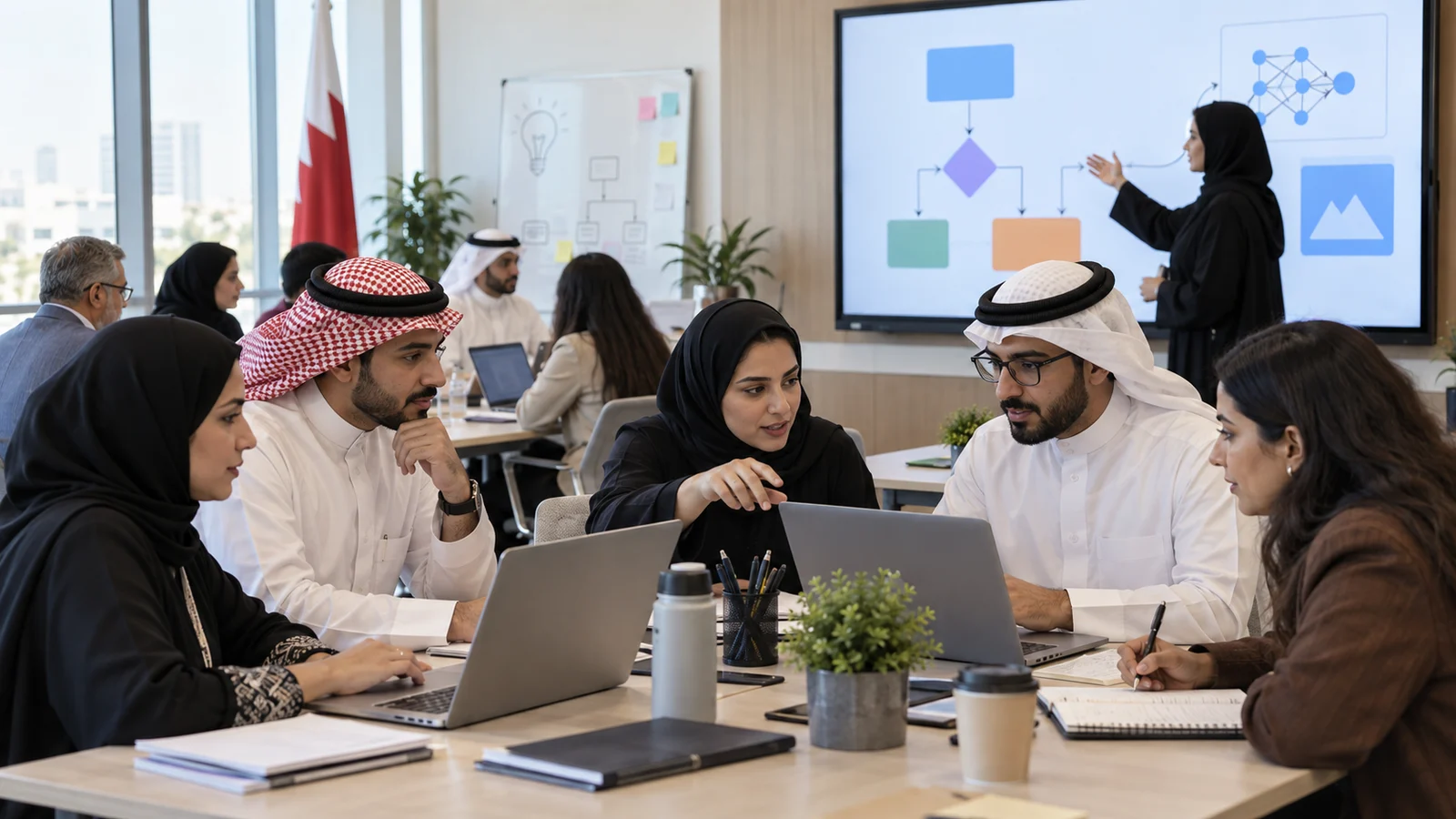
The Saudi Data and Artificial Intelligence Authority (SDAIA) announced that its flagship national capacity-building program, SAMAI, has officially exceeded one million trained Saudi citizens. Reached during the opening quarter of 2026, the milestone highlights the Kingdom's systematic effort to ensure that massive investments in physical computing infrastructure—such as the 480MW Hexagon data center—are matched by domestic engineering fluency and institutional capability across the public and private sectors.
SAMAI was structured across distinct, multi-tiered educational tracks rather than a uniform introductory syllabus. The foundation tier provided general digital and algorithmic literacy for school educators, university students, and civil service personnel, focusing on responsible data usage, ethics, and prompt design. A specialized intermediate track delivered certified vocational training in machine learning operations, cloud data pipelines, and database governance in collaboration with international cloud providers. Crucially, the advanced professional tier partnered with leading research institutions to train high-level practitioners in deep learning architecture, bilingual model fine-tuning, and hardware acceleration.
Human capital development has long been identified as a critical constraint for emerging technology ambitions in the Middle East. While sovereign capital can rapidly procure graphics processors and hyperscale real estate, deploying and maintaining mission-critical AI systems requires deep local technical benches. By embedding AI literacy directly into civil service promotion criteria and secondary school curricula, the Saudi government aims to localize software maintenance and decrease reliance on external foreign consultancies.
The challenge moving forward lies in commercial absorption and labor productivity. SDAIA and the Ministry of Human Resources and Social Development are now implementing post-training tracking systems to measure how many SAMAI graduates secure technical roles in sovereign AI entities, defense bodies, and venture-backed startups. Aligning national educational outcomes with the technical demands of Vision 2030 projects like NEOM and HUMAIN will determine whether this massive training effort translates into sustainable economic diversification.
The economic rationale underpinning the initiative is directly linked to the Kingdom's localization targets across high-value technology industries. By reducing structural reliance on imported technical labor and multinational systems integrators, the Saudi government aims to retain technology spending within the domestic economy while building sovereign technical capacity capable of auditing and securing mission-critical public infrastructure against external disruption.