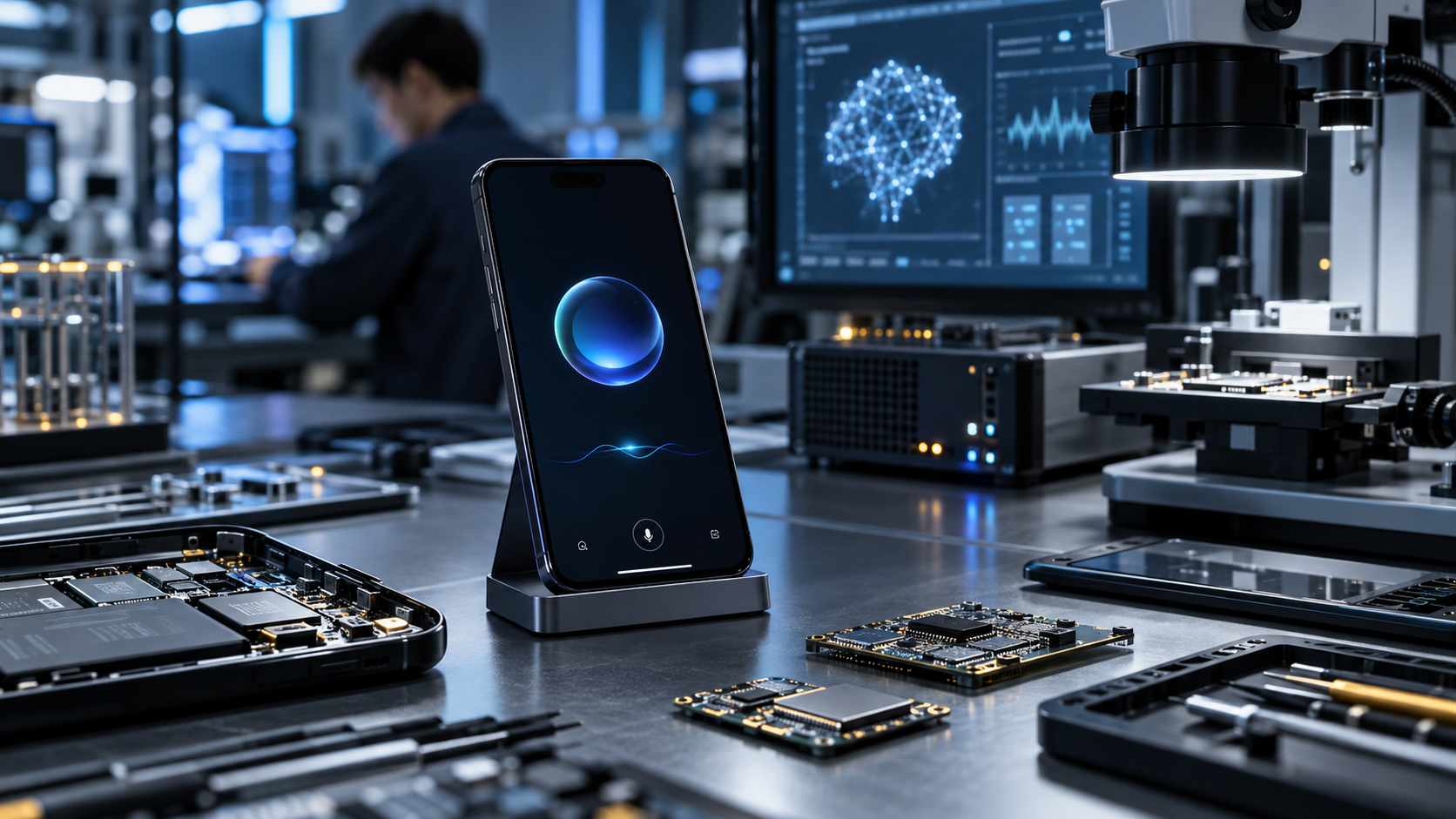
Qualcomm has introduced two flagship mobile platforms, the Snapdragon 8 Elite Extreme Gen 6 and Snapdragon 8 Elite Gen 6, positioning them for the next phase of on-device agentic AI. The announcement, made on 22 September 2026, frames the smartphone as a place where AI systems can interpret context, respond to requests and carry out more tasks locally rather than sending every operation to a remote data centre.
The distinction between a conventional AI feature and an agentic workflow is important. A conventional feature might enhance a photograph, summarise a message or translate speech. An agentic system is expected to manage a sequence of actions toward a goal, potentially combining perception, planning and tool use. That creates a stronger demand for local processing, responsiveness, privacy controls and predictable performance when connectivity is limited.
Qualcomm's announcement focuses on the combination of its custom Oryon CPU, Adreno GPU and Hexagon NPU. The company says the Extreme platform can run a mixture-of-experts model with up to 30 billion parameters locally, while the standard platform is designed for smaller device-side models. These specifications describe capability, not proof of a particular consumer experience. Actual performance will depend on software optimisation, memory, thermal limits, battery use and the applications that manufacturers ship.
The strategic implication is a continued redistribution of AI workloads. Cloud systems will remain important for large models, shared knowledge and complex computation. Local processors can reduce latency, limit the amount of personal data leaving a device and keep useful functions available when networks are congested. For developers, however, local execution also introduces fragmentation: applications must account for different chip tiers, model sizes, operating systems and device policies.
The next evidence will come from products rather than launch claims. Independent testing should compare response time, battery impact, privacy behaviour and reliability against cloud-based alternatives. If those measures hold up, Qualcomm's new platforms could help make agentic AI a more ordinary mobile capability. The broader market question is whether users will trust local agents to act on their behalf and whether developers can make those actions visible, reversible and safe.