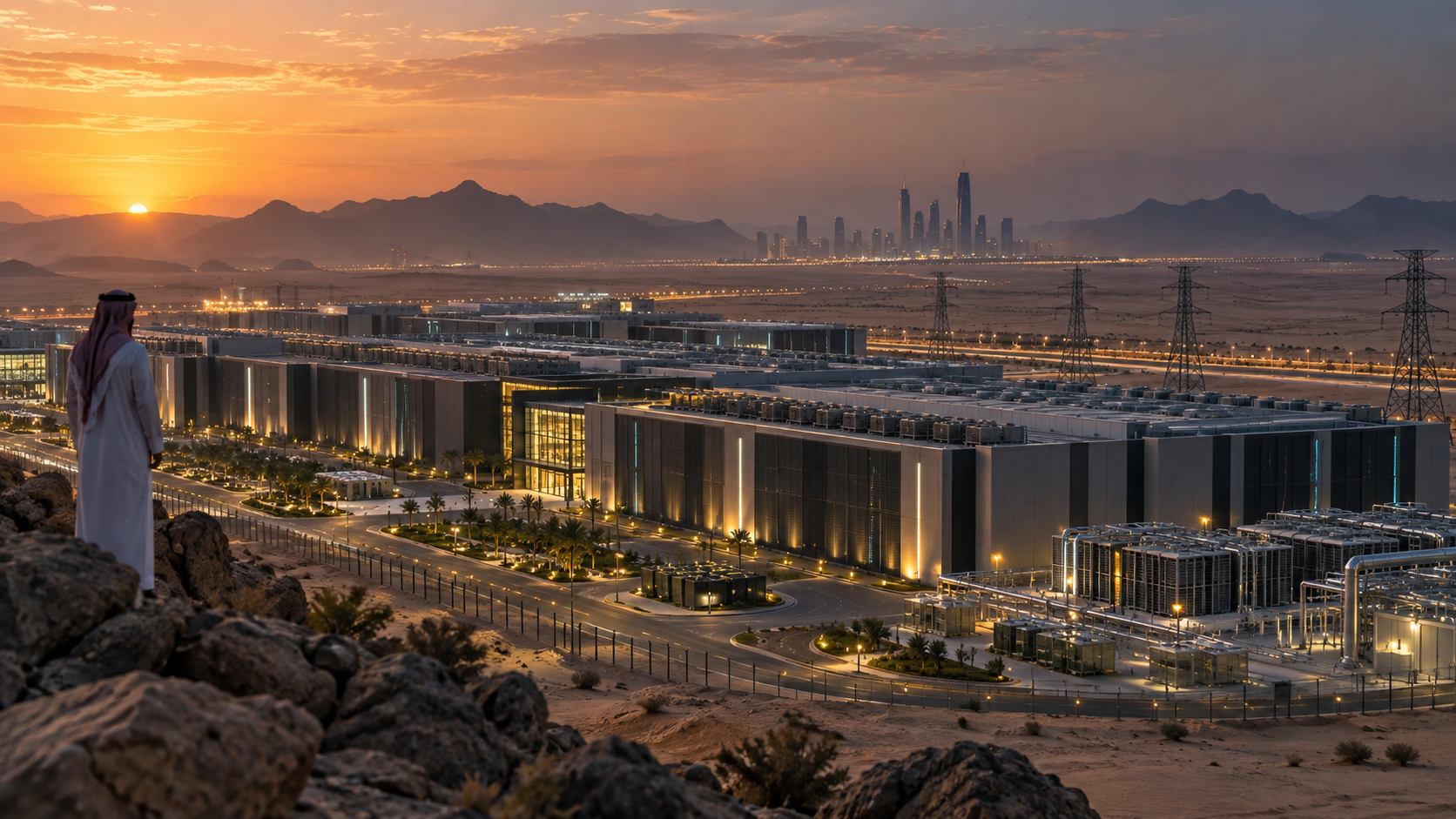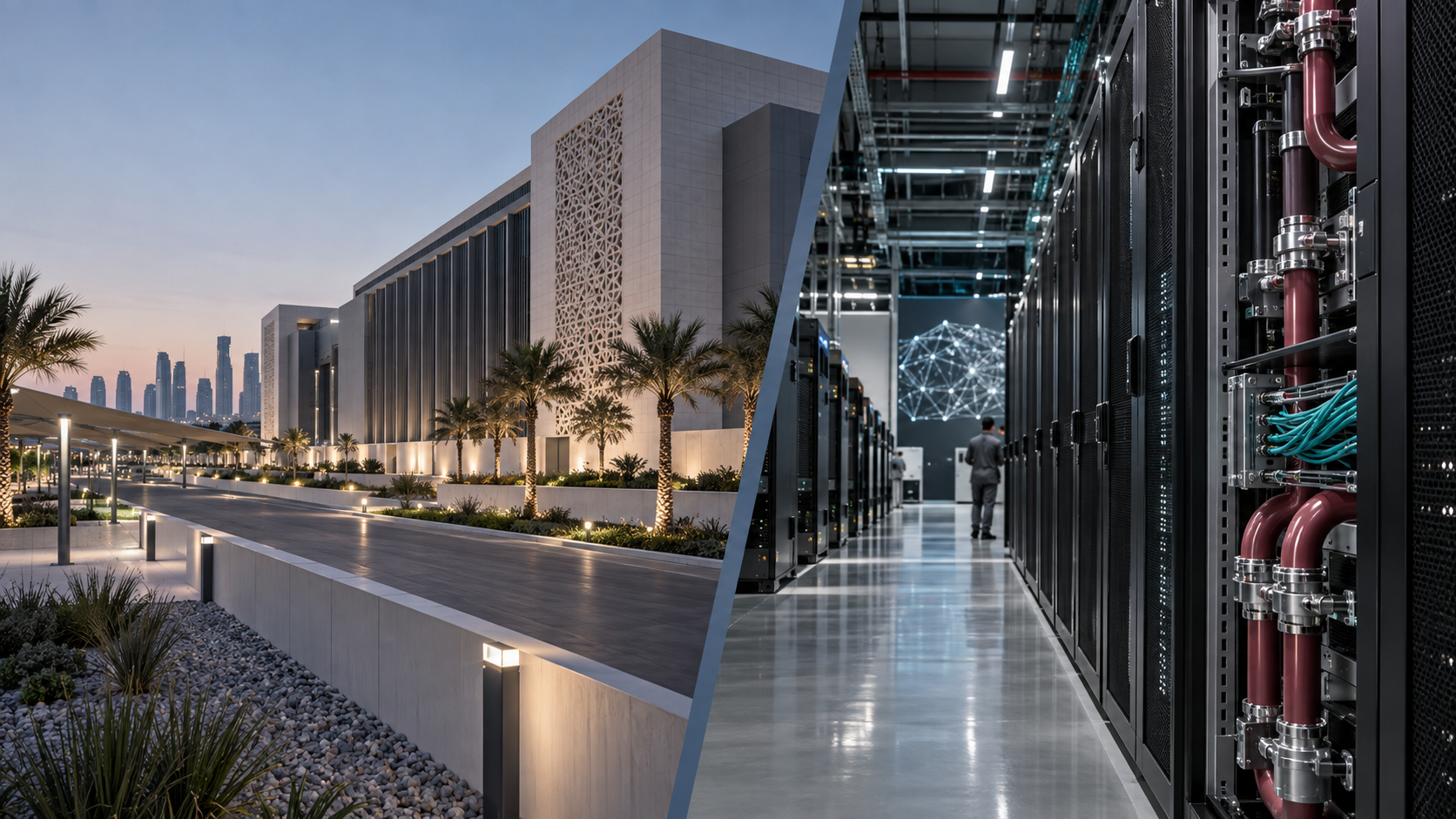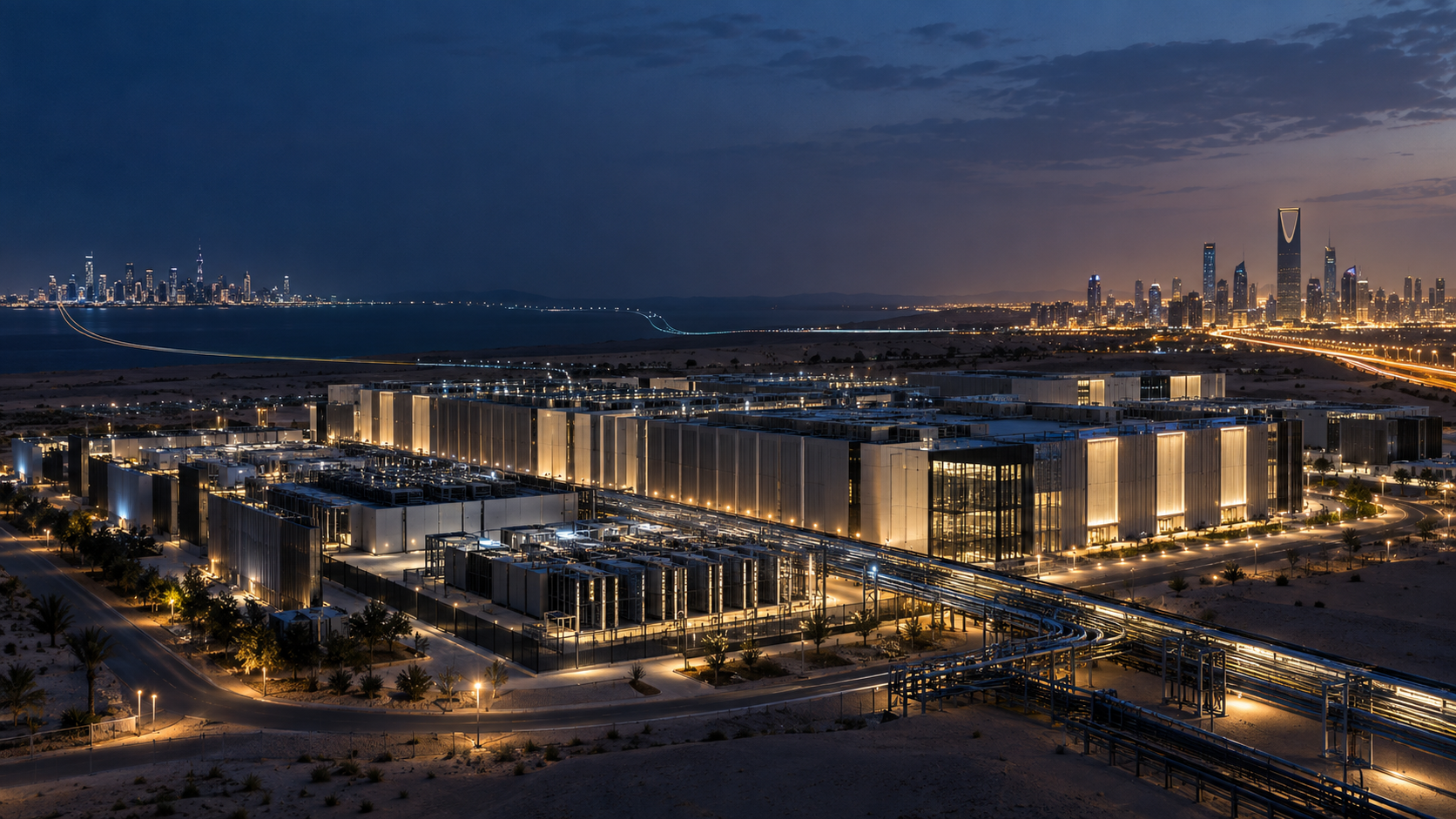
Artificial intelligence infrastructure is moving closer to the centre of the European Union’s economic conversation with the Gulf. Ahead of the second EU–GCC Summit in Riyadh on 24 October, European officials described potential cooperation in cloud computing, data centres, high-performance computing, AI applications, cybersecurity and digital services.
The agenda reflects a practical overlap between the two regions. Gulf states bring substantial financing capacity, energy resources and large digital-transformation programmes. Europe brings research institutions, technology companies and an established industrial base. Together, those strengths could support projects that connect capital, compute, software, energy and cross-border digital infrastructure.
The opportunity is strategically important because AI capability depends on more than model access. Data-centre construction, grid connections, cooling, fibre networks, cybersecurity, data exchange and skilled operators all shape whether AI systems can be deployed reliably. A deeper EU–GCC relationship in these areas could create new investment and industrial partnerships, particularly if projects are structured around measurable capacity and operating performance.
The available reporting makes an important distinction: the summit agenda identifies possible areas of cooperation, but it does not announce a specific joint AI investment or signed data-centre project. That means the development should be understood as a policy and investment signal, not as a confirmed deal. The business forum associated with the summit is expected to be the point at which broad priorities may translate into company-level discussions.
For Gulf markets, the discussion also raises questions about sovereignty and interoperability. Cross-border infrastructure can improve access to expertise and capital, but it must address data residency, security, procurement, export controls, energy resilience and the governance of shared systems. Those issues will determine whether cooperation produces durable regional capability or simply expands the market for imported services.
The Riyadh summit therefore merits tracking as an infrastructure story. The meaningful evidence will be found in named partners, financing commitments, site decisions, power and connectivity plans, and delivery timelines. Until those appear, the clearest conclusion is that AI, cloud and data-centre cooperation are becoming central components of the EU–GCC economic agenda.