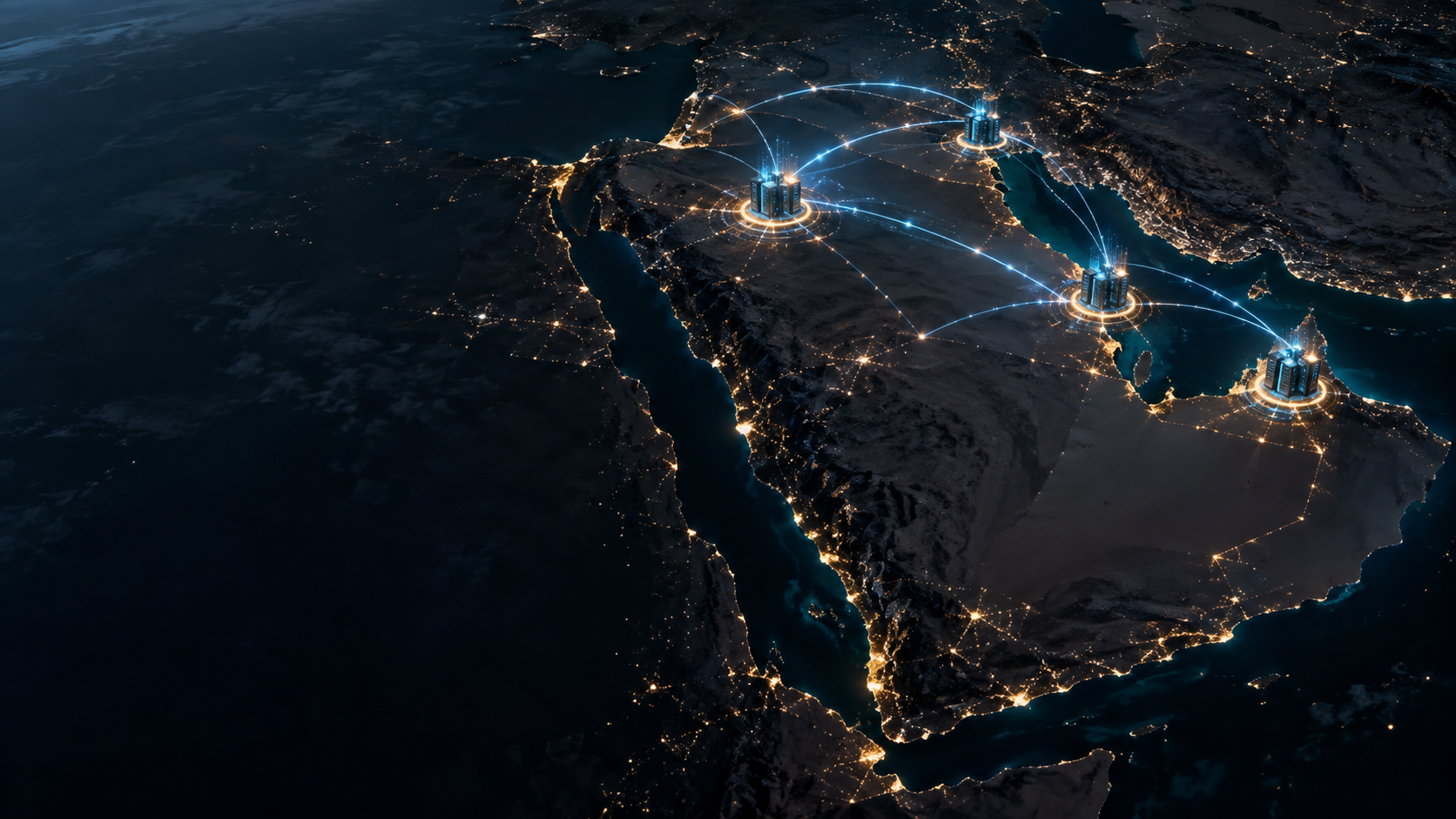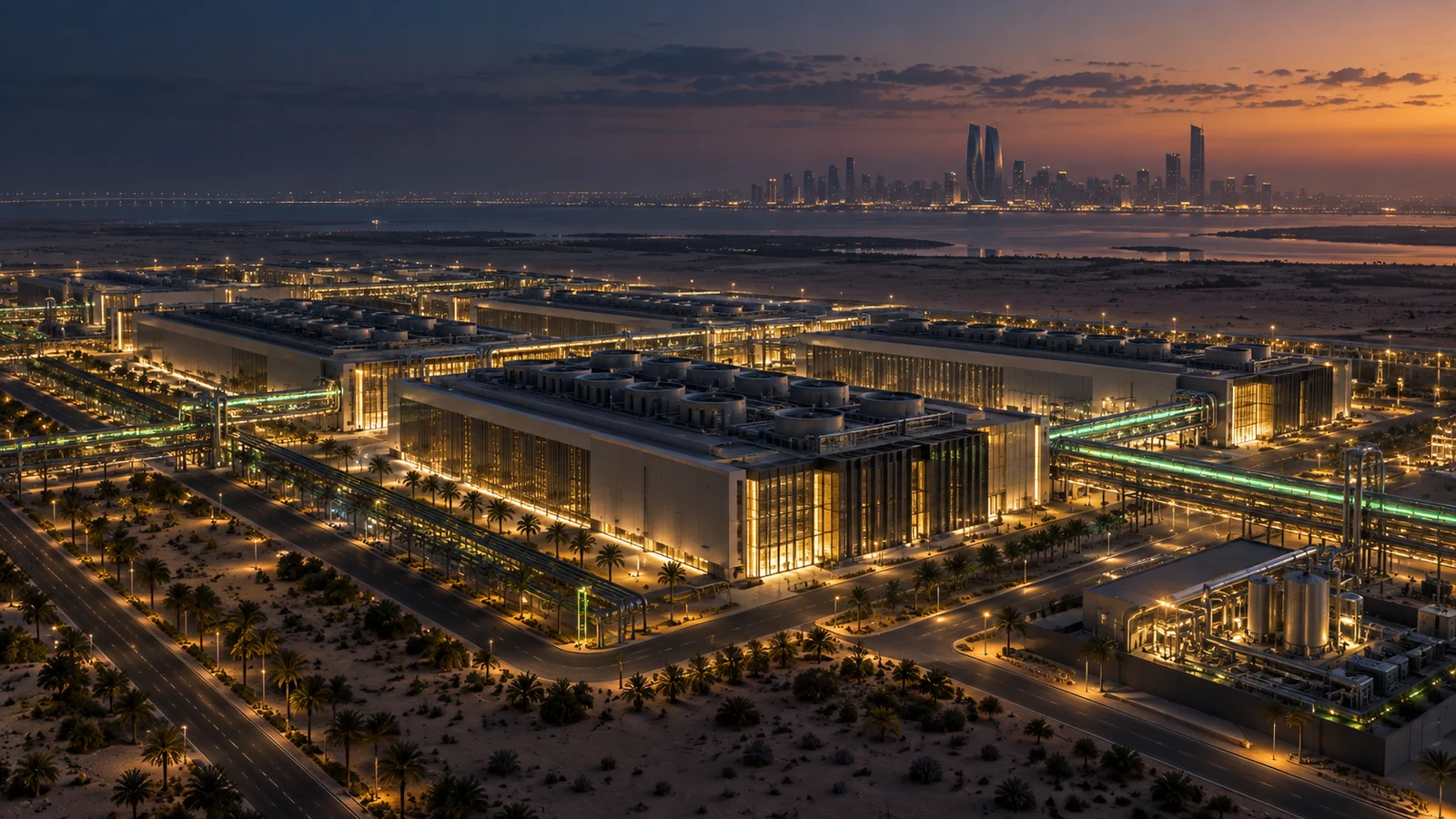
OpenAI announced Stargate UAE on 22 May 2025 as the first international deployment of its Stargate infrastructure platform and the first partnership under its OpenAI for Countries programme. The plan centres on a one-gigawatt AI computing cluster in Abu Dhabi, with an initial 200 megawatts expected to become operational during 2026. G42 is the UAE partner, while Oracle, Nvidia, Cisco and SoftBank are also named in the agreement. The announcement was coordinated with the United States government and paired with UAE investment in US-based Stargate infrastructure.
The scale matters because the project is presented as more than a conventional data centre. OpenAI says the partnership is intended to support AI use across government, energy, healthcare, education and transport, while extending compute capacity across a wide geographic radius. That combines three strategic layers: physical infrastructure in Abu Dhabi, access to frontier models and a government-to-government framework for technology cooperation. It also makes delivery dependent on several parties whose roles span construction, chips, networking, cloud systems, financing and model services.
Important parts of the announcement remain forward-looking. One gigawatt is the planned cluster size, not capacity that was operating when the agreement was announced. The first 200-megawatt phase was described as expected in 2026, and the source did not provide a detailed construction timetable, power-supply plan, customer allocation model or public reporting schedule. OpenAI also described nationwide ChatGPT access as part of the partnership, but access terms, product scope and implementation milestones require separate confirmation as services roll out.
The next evidence points are therefore operational. They include energised capacity, installed accelerators, customer availability, power and cooling performance, data-governance arrangements and the sectors that move from pilots into regular use. Stargate UAE gives Abu Dhabi a prominent position in the emerging geography of large-scale AI infrastructure. Its long-term significance will be determined by how much usable capacity is delivered, who can access it and whether the surrounding ecosystem converts compute investment into research, services and durable local capability.