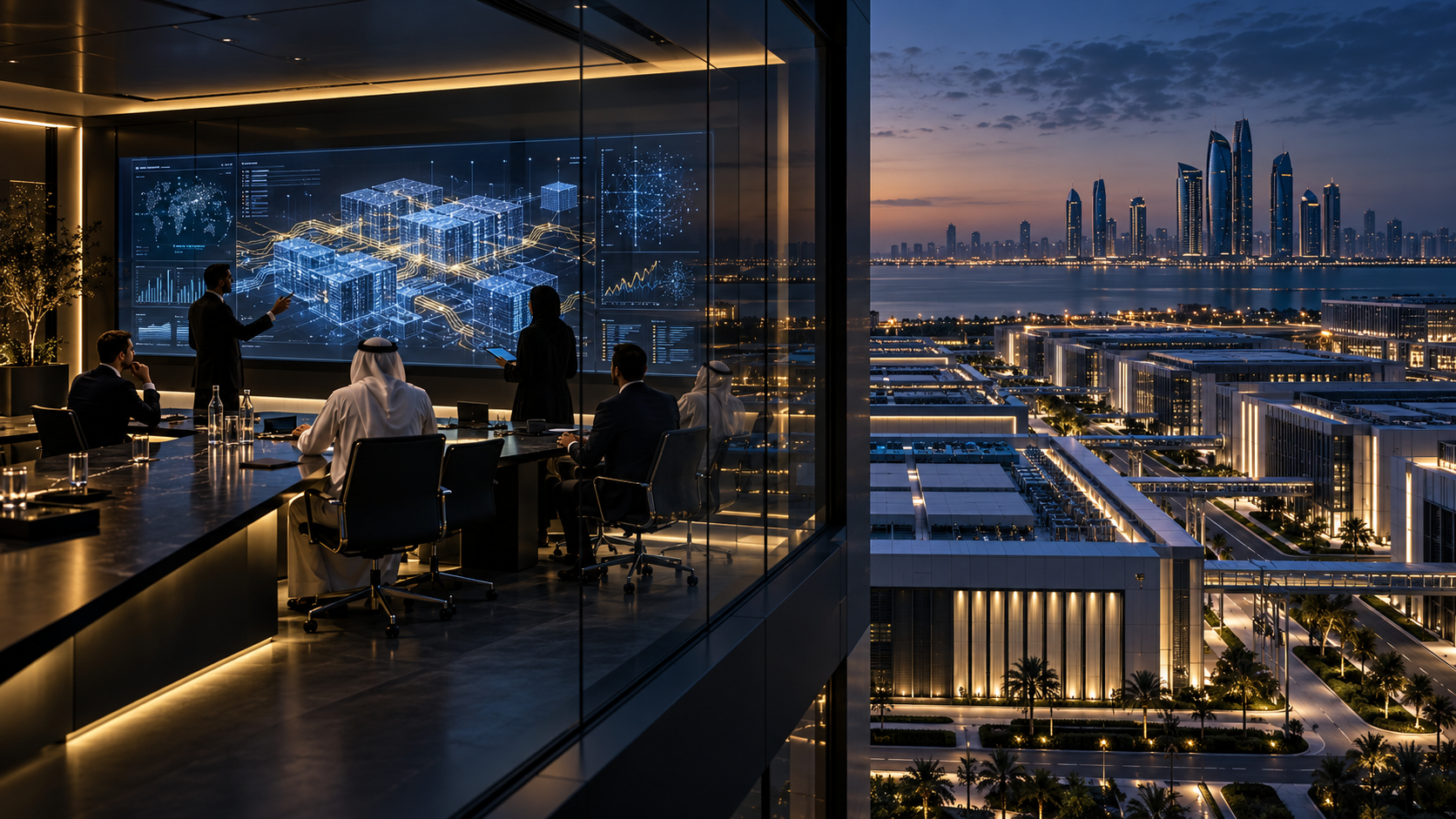
Abu Dhabi Sustainability Week 2026 placed the relationship between artificial intelligence, data centres and energy at the centre of the UAE’s technology conversation. In remarks opening the event on 13 January, UAE Minister of Industry and Advanced Technology and Masdar chairman Sultan Al Jaber described AI growth as inseparable from the energy systems needed to power computation.
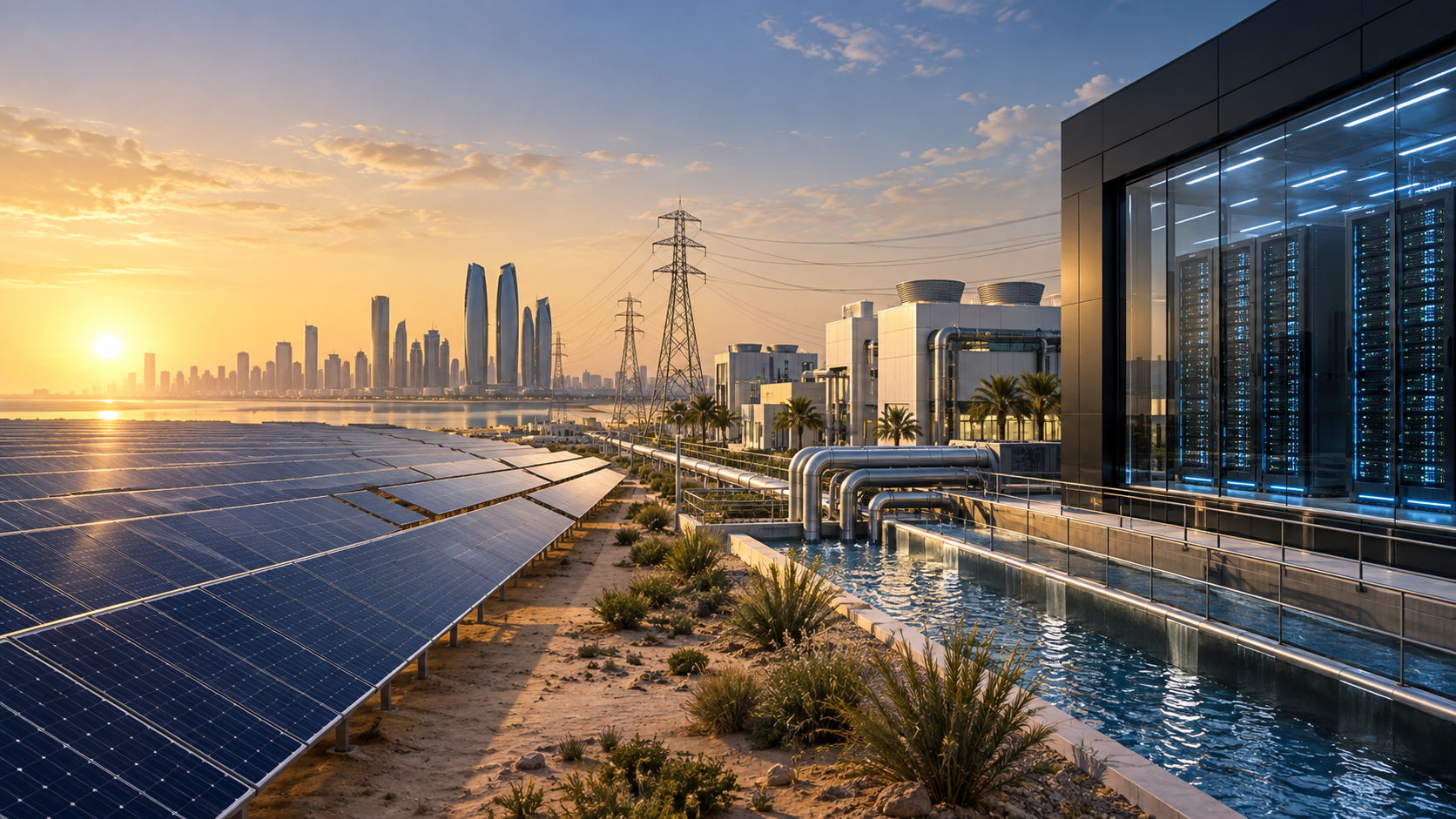
The connection is strategically important for the Gulf. Training and operating advanced models requires electricity, cooling, networks and physical facilities. As governments and companies add AI workloads, data-centre power demand becomes an infrastructure and sustainability question rather than only a software question.
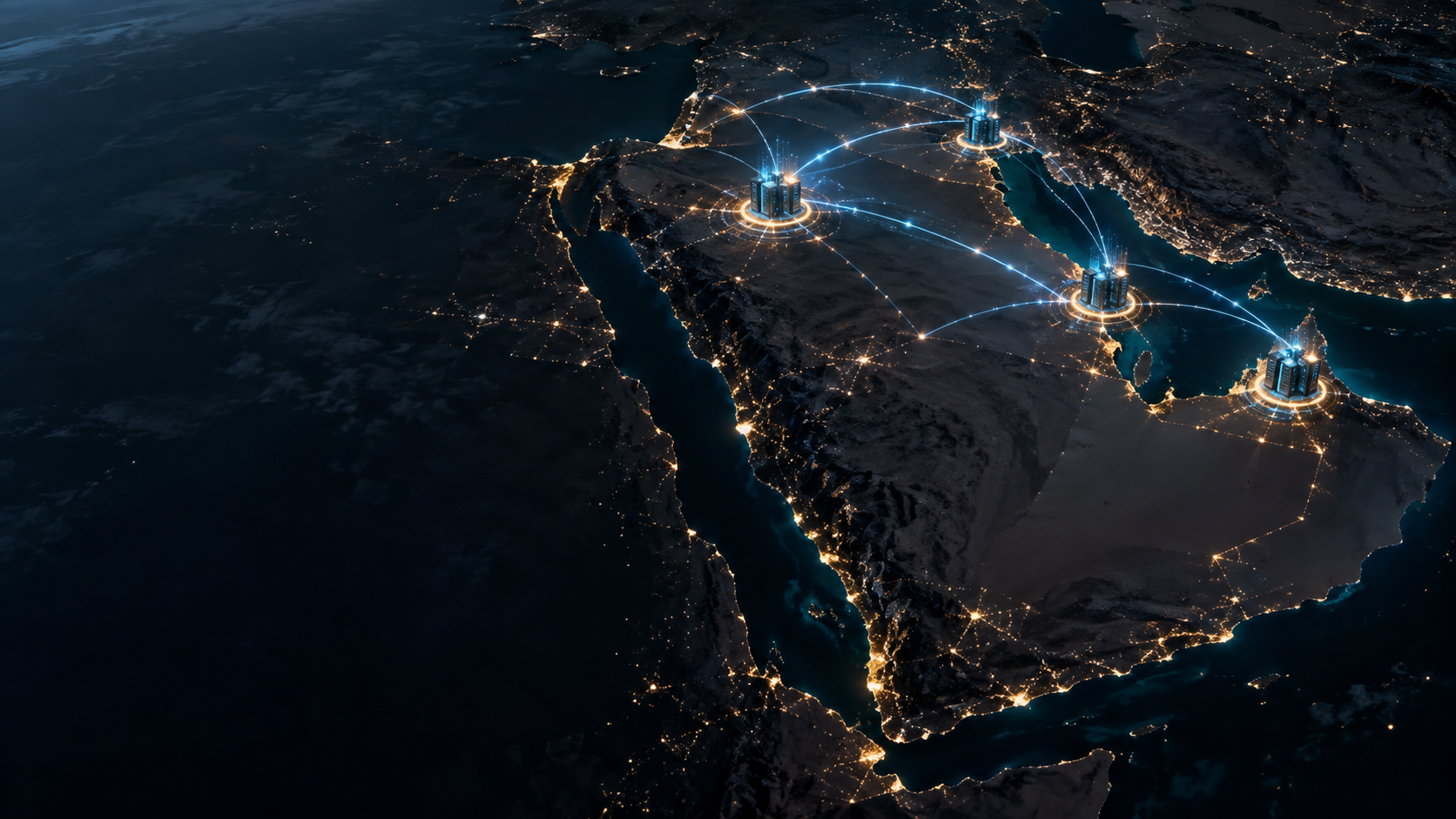
The UAE has positioned itself as a location for data centres, cloud regions, sovereign compute and AI companies. That strategy creates opportunities for economic diversification, but it also increases the need to manage electricity supply, water use, carbon intensity, land, resilience and grid connections. Sustainable AI infrastructure will require transparent measurement rather than broad claims about efficiency.
The event’s significance is therefore wider than a single project announcement. It frames energy as a strategic enabler of AI and highlights the need for coordination between technology companies, utilities, policymakers and investors. The Gulf’s advantage in capital and energy can support AI growth, but long-term competitiveness will depend on whether that growth is reliable, affordable and environmentally credible.
The speech did not announce a specific AI data-centre build or prove the efficiency of any particular facility. It established a policy and investment narrative. Future coverage should track new capacity, energy sources, cooling systems, water use, grid investment and the performance of AI infrastructure in real operation.
For GCC AI Network, this is an important framing story: the regional AI race is also a race to build the energy and infrastructure systems that make computation possible.
The issue also creates a reporting framework for the region. New AI facilities should be assessed through power availability, connection timelines, cooling design, utilisation, renewable-energy accounting and resilience, not only through announced capacity. Those indicators make it possible to distinguish a credible operating asset from an early-stage proposal.
The UAE’s policy framing is therefore consequential even without a named project. It places energy planning inside the AI debate and gives investors, utilities and technology companies a common set of infrastructure questions to answer.